
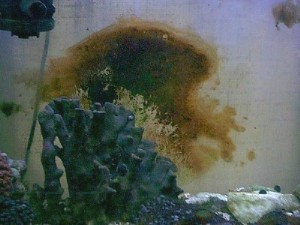
Diatoms are microscopic cells composed of overlapping half shells of silica.
They spend their lives floating in the ocean or in the sediments.
Their silica shells, called frustules, are microscopic in size and makes them hard to see for an average aquarist.
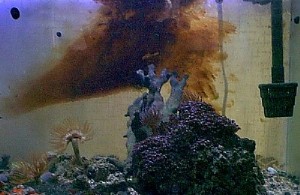
In the ocean, they form a major part of the plant-plankton called phytoplankton, which provides important food for the animal-plankton called zooplankton.
These algae spread rapidly with high nitrate levels. They are actually the first algae to establish themselves. They form a brown slime on the gravel, rocks, decoration and aquarium glass.
As your saltwater aquarium matures, they should disappear. Scrape them away to keep a clear view of your saltwater aquarium fish when they become obvious.

- Contains one (1) API ALGAE SCRAPER For Glass Aquariums 1-Count Container
- Extra long and extra strong scraper for glass aquariums.
- Quickly removed unsightly algae.
- Extra-long handle keeps your hand from getting wet and supports durable scrubbing pad.
- For use in glass aquariums only. Not for use on acrylic, plexiglass, or any surface other than glass. Do not use on dry surfaces. Rinse pad with tap water before and after each use.

Like all algae, the best way to deal with this type is by targeting its prevention. To produce their frustule and live out their lifecycle, they need abundant silicates or silicic acid.
Silica sand is a common source, so it is highly recommended that you use a limestone sand or gravel instead.
Some commercial salts for mixing marine water will also increase the levels of silicates be sure to read the labels and know what you are adding to your water.
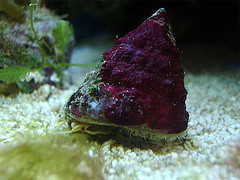
Also, try to keep invertebrates such as snails. They will roam the saltwater aquarium, walls, rocks and even the hard to reach spots and feed on algae.
Go to: Chlorophyta | Rhodophyta | Phaeophyta group | Cyanobacteria
Return from Diatoms to All About Algae
* Disclaimer: Saltwater-Aquarium-Online-Guide.com is a participant in the Amazon Services LLC Associates Program, an affiliate advertising program designed to provide a means for sites to earn advertising fees by advertising and linking to amazon.com, amazon.co.uk, amazon.ca. Amazon and the Amazon logo are trademarks of Amazon.com, Inc. or its affiliates. We may receive a small commission if you click on one of our links and make a purchase. Thank you for supporting Saltwater-Aquarium-Online-Guide.com and helping me make it the best site possible!
Last update on 2024-04-24 / Affiliate links / Images from Amazon Product Advertising API